Choose an AR display around the information your user needs.
Short prompts, captions and spatial interfaces place different demands on optics, power and software. Begin with what must be visible, when it must appear and how the user will interact with it.
AR smart glasses manufacturerwaveguide AR glasses supplierlightweight AR glasses OEMAR display smart glasses ODM
Review your AR display requirementsEnterprise project fit
Best-fit buyers
- New Business Director
- Optics Innovation Lead
- XR Product Lead
- Carrier Device Portfolio Lead
AR99 / AR99 MY reference scope
- AR99 approximately 28g and AR99 MY approximately 29g bare-device products, excluding prescription lenses
- Right-eye monocular single-green, 30° FOV, 640×480 @ 30Hz, 0.12 cc MicroLED engine
- Up to 2,000 nits in-eye brightness under reference conditions for AR99 and AR99 MY
- 100 mAh fixed battery; approx. 1-3 h use / 72+ h standby under reference conditions; actual runtime varies with function, brightness, Bluetooth/app use, network, environment and battery condition
- Button + touch; Bluetooth + companion app
- Volume Holographic Grating (VHG) waveguides shared by AR99 and the separately listed AR99 MY cat-eye product
- Separate from AR99 / AR99 MY: BirdBath display experience from clinical/entertainment projects
For established brands, channel partners and funded enterprise teams with a credible deployment or route-to-market plan. Start with standard-model OEM branding or an ODM customization project. Share your purchasing or project budget status, annual-volume forecast and business decision maker; customization also needs a technical contact. Evaluation, development, tooling and optional source licensing are quoted only where applicable; personal purchases, price-only one-off sourcing and development without a budget are outside this service.
Review source-code access, engineering support and technology transfer · Submit enterprise brief
Separate display requirements from spatial-computing requirements.
Short prompts, translated captions, navigation cues and teleprompter text need a defined content format, update behavior and interaction method. Spatial interfaces add separate tracking, coordinate-system, sensing and software requirements. A waveguide alone does not establish six-degree-of-freedom (6DoF) tracking or spatial-computing support.
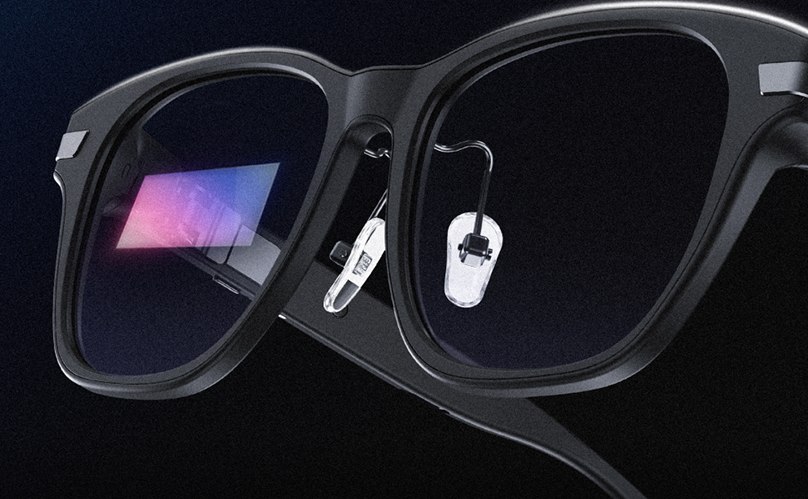
AR99 and AR99 MY use Volume Holographic Grating (VHG) waveguides. AR99 Pro follows a different Surface Relief Grating (SRG) route. Those optical routes are distinct; do not transfer specifications or infer an optical-performance advantage without configuration-specific evidence. BirdBath is another optical approach used in separate display projects, not an AR99-series default.
Compare platform stage and system dependencies.
On smaller screens, scroll the table horizontally. Keyboard users can focus the table region and use the arrow keys.
| Platform | Display | Camera | Phone / system dependency | Stage |
|---|---|---|---|---|
| AR99 | Right-eye monocular single-green VHG; 640 × 480 at 30 Hz | None | Bluetooth with a paired phone and companion/partner App; services remain phone- or service-dependent. | Production platform |
| AR99 MY | Shared AR99 core VHG platform; separate cat-eye frame product | None | Paired phone and companion/partner App; configuration and fit are reviewed for AR99 MY. | Production platform |
| AR99 Pro | Single-green SRG; its own optical configuration | None | Phone-tethered; required paired ring. Confirm App/service scope for the prototype. | EVT3 functional prototype |
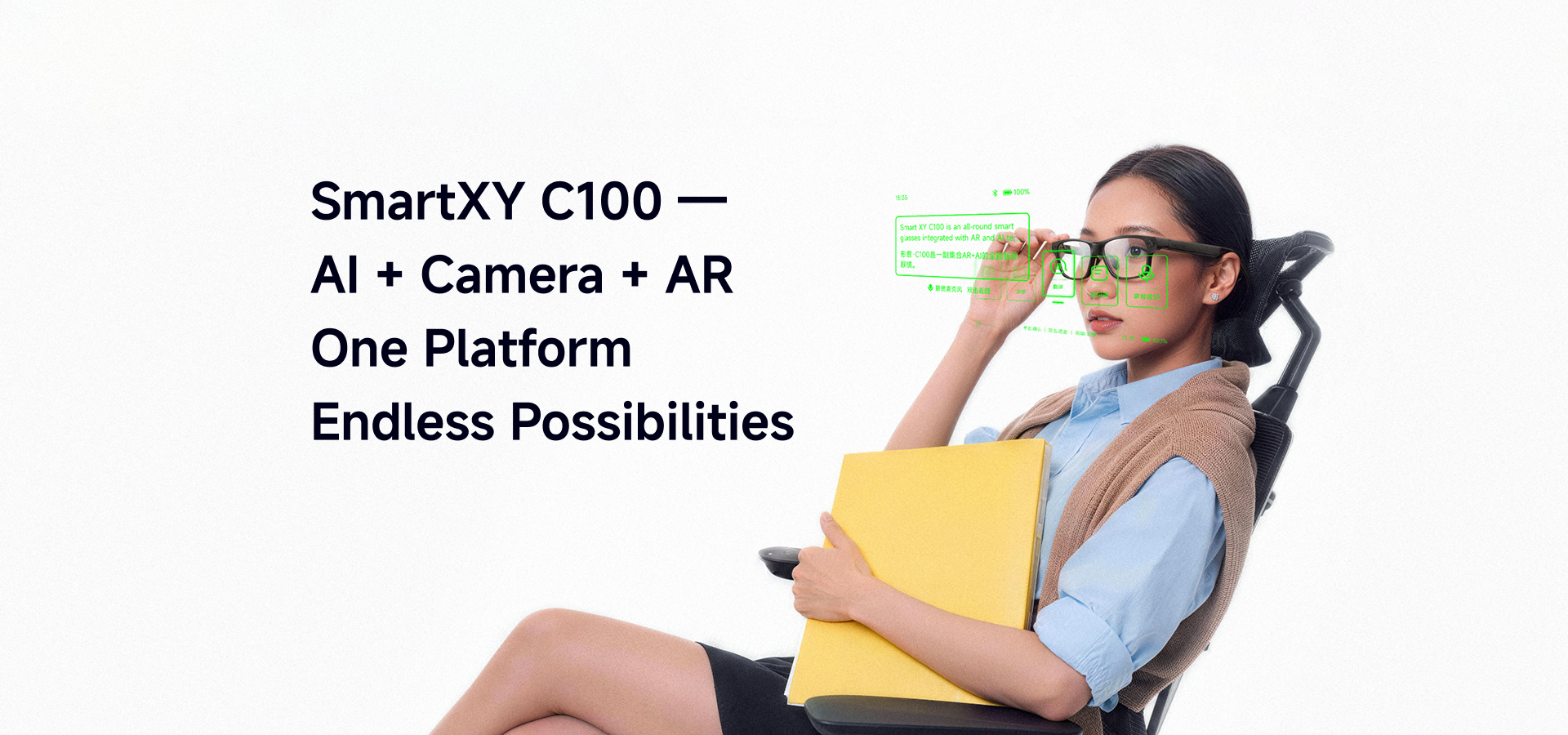
| C100 | Single-green dual-eye display with an Android application host | Camera-equipped | Android App can run on glasses. Direct Wi-Fi or BLE via phone App are separate paths; VLM/LLM inference is off-device. | EVT3 functional prototype |
Commercial availability and delivery terms depend on the agreed configuration and project scope. C100 combines a camera, Android runtime and display for a different integration task; it is not an upgrade replacement for AR99.
Evaluate optics with the complete eyewear configuration.
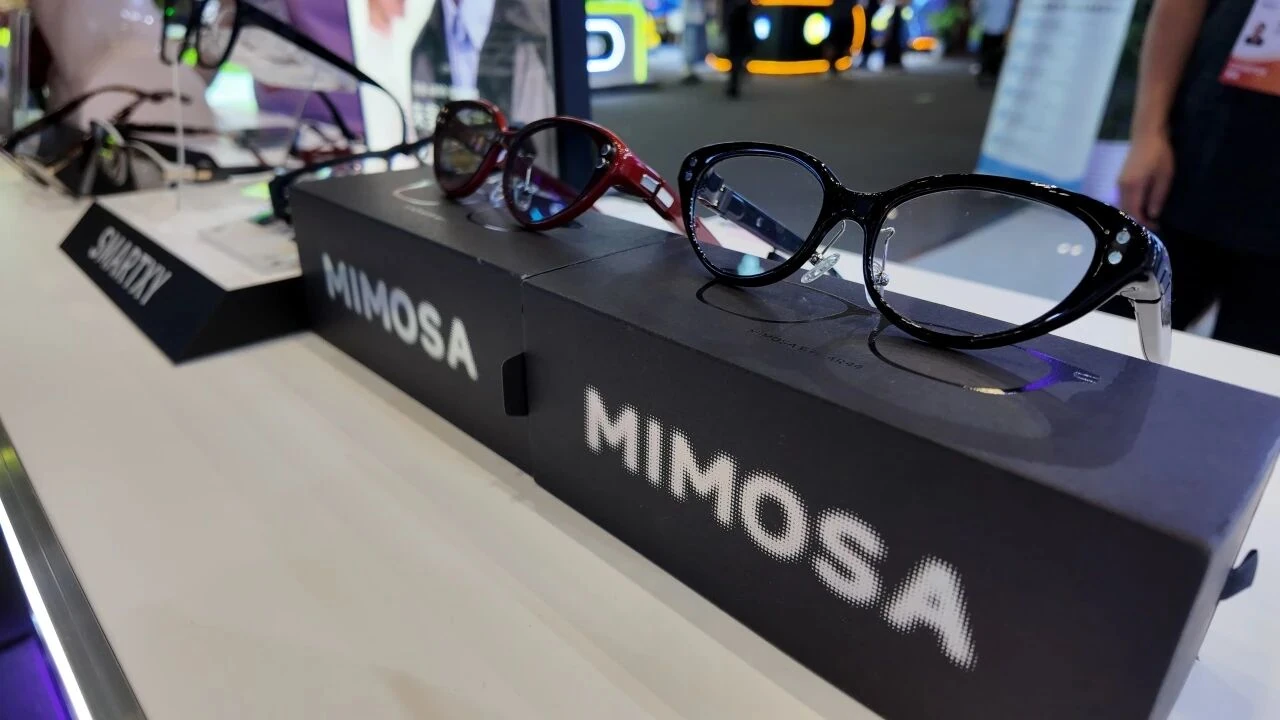
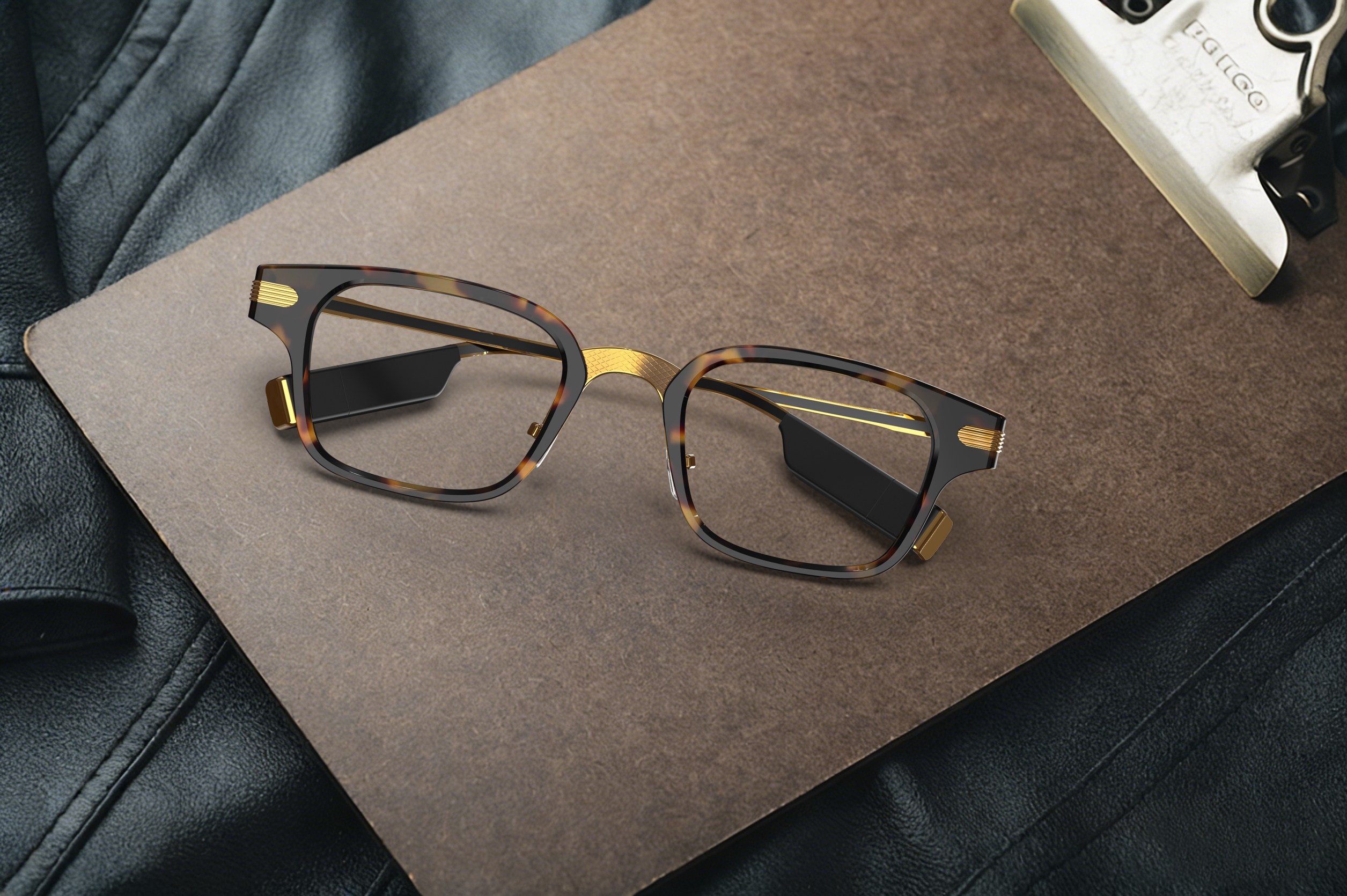
Test readable text, display placement, alignment and visibility in the intended environment using the selected frame, prescription lenses or inserts and accessories. AR99’s approximate 28 g bare-device reference excludes prescription lenses; it is not the weight of every fitted configuration. AR99 MY retains its own frame identity and fit assessment.
Record brightness settings, language/font size, content duty cycle, interaction and phone/service activity. Feature use and standby are different workloads. Agree the battery test conditions and wearer feedback needed for acceptance instead of treating a single headline runtime as universal.
Confirm text/icon interfaces separately from arbitrary-canvas rendering, camera inputs or spatial tracking. For prescription fitting, store setup and aftercare, use the optical-retail pilot worksheet.
Plan integration, validation and the next build.
Define the content, display interface, phone/Android App, connected services and customer software owner. Confirm the available SDK and firmware versions, rights, known limitations and demonstration steps before scoping changes. C100’s free unchanged standard Android SDK/Demo is separate from paid modifications and prototype hardware; no iOS SDK/Demo is offered.
For production platforms, review the requested configuration and project fit. For AR99 Pro or C100, evaluate the prototype and integration scope before planning design and production validation. Use the phase-delivery checklist to agree evidence, unresolved risks and acceptance ownership.
Review your AR display requirementsCompare AR99 and AR99 MY as separate catalog products. Existing-frame logo-branded pilots start at 200 units; OEM, ODM, JDM and white-label engineering, packaging, app branding, certification scope and pricing are agreed per project. AR99 MY shares the optical, electronic and software platform while adding women-first cat-eye frame geometry.
Need a camera and standalone Android runtime alongside an AR display? Evaluate C100, an EVT3 standalone Android edge-client project with camera and dual-eye display, available as CNC functional prototypes. Customized exterior design and further validation define the path toward production. Android apps run on the glasses. C100 supports direct Wi-Fi and BLE phone-app modes. In direct Wi-Fi mode, its own dual-band Wi-Fi reaches cloud or private AI services through home or office Wi-Fi, a phone hotspot, or a compatible public Wi-Fi network. A phone is not required as the runtime gateway when using a compatible router; using a phone hotspot still depends on that phone, and public Wi-Fi login compatibility requires validation. In BLE phone-app mode, image/audio from the glasses travels over BLE to the phone app and onward to VLM/LLM/cloud services; results return through the phone app and BLE to the glasses for audio playback and display. BLE phone-app mode requires the phone and its network connection. LLM/VLM inference runs off-device. Contact SmartXY to request the C100 SDK software development kit. C100 Android SDK/Demo availability and paid development policy.
RFQ checklist
AR99 and AR99 MY are in mass production for OEM/ODM projects. AR99 Pro is at EVT3 with CNC functional prototypes, with customized exterior design and further validation defining its path toward production.
Book a technical review for optical route, ID constraints and certification plan.
For faster feasibility review, include target market, ID direction, optical or audio route, certification region, app/SDK needs, estimated volume and launch timing.